Facial Masculinization Surgery
Transforming Facial Structure to Align with Gender Identity
 Facial Masculinization Surgery (FMS) is a set of procedures designed to align facial features with a transgender man’s gender identity. While testosterone therapy is often the first-line approach, surgery is an option for patients who do not achieve their desired results with hormones alone. Though less common than Facial Feminization Surgery, FMS is increasingly performed for transgender men, nonbinary individuals, and even cisgender men seeking a more traditionally masculine facial appearance. According to the World Professional Association for Transgender Health (WPATH), FMS is considered medically necessary for treating gender dysphoria.
FMS uses surgical techniques to modify bone structure and soft tissue to enhance masculine facial characteristics. Common procedures include reshaping the jawline, chin, forehead, and other key features to create a strong, defined, and traditionally masculine appearance. Surgery duration varies, ranging from several hours to a full day depending on the complexity and combination of procedures.
Origins of Facial Masculinization Surgery
The foundations of FMS are rooted in advances in craniofacial surgery. In the mid-20th century, French surgeon Dr. Paul Tessier, widely regarded as the father of modern craniofacial surgery, developed techniques to reshape the skull and facial bones, laying the groundwork for later gender-affirming procedures.
In the 1980s, Dr. Douglas Ousterhout, who trained under Tessier, applied these principles to pioneer facial feminization surgery and later adapted them for FMS. Early clinical research appeared in 1997, when Dutch surgeon J. Joris Hage published one of the first studies on female-to-male facial surgery.
In 2011, Dr. Ousterhout published a study titled Dr. Paul Tessier and Facial Skeletal Masculinization, a nod to Tessier’s influence. He reported FMS on six transgender men, focusing on forehead, chin, and mandible augmentation; all patients achieved positive outcomes without complications.
A major milestone occurred in 2015, when Dr. Jordan Deschamps-Braly performed the first complete female-to-male facial masculinization surgery, introducing techniques such as Adam’s apple augmentation. Since then, FMS has evolved with custom implants, virtual surgical planning, and advanced craniofacial approaches, allowing for precise, individualized masculinization.
Male vs. Female Facial Traits
 Masculine and feminine faces differ in several predictable ways, which are often addressed in FMS. Typically, masculine faces feature a square jawline, prominent chin, pronounced brow ridge, flatter forehead, slightly hollowed midface, and lower, straighter eyebrows. Cheeks are less rounded, and the Adam’s apple contributes to a distinctly masculine neck and throat.
Feminine faces, by contrast, tend to have softer jawlines, smaller chins, higher and more arched eyebrows, fuller cheeks, and a slightly convex forehead, creating gentle contours rather than sharp angles.
FMS procedures target these differences, enhancing masculine traits or reducing feminine features according to the patient’s goals. Common interventions include jaw and chin augmentation, forehead and brow ridge reshaping, cheek contouring, mandible modification, and Adam’s apple enhancement, resulting in a balanced and naturally masculine appearance.
Facial Masculinization Surgery Procedures
Bone & Skeletal Procedures
- Forehead & Brow Ridge Augmentation: Implants, bone grafts, or fillers create a more prominent brow and masculine glabella.
- Jaw & Chin Augmentation (Genioplasty): Custom implants or bone grafts create a square jawline and prominent chin.
- Adam’s Apple Enhancement: Rib cartilage grafts augment the thyroid cartilage for a natural masculine neck profile.
Soft Tissue & Plastic Surgery
- Cheek & Midface Contouring: Buccal fat removal, fat transfer, or implants enhance masculine cheek structure.
- Fillers & Fat Transfer: Fine-tune contours for balance and symmetry; technique choice depends on patient goals and anatomy.
Nose Surgery
- Masculinizing Rhinoplasty: Adjusts nasal projection, tip rotation, and width to complement the masculine facial profile.
Custom Implants & Virtual Surgical Planning
- Patient-Specific Implants: Wrap-around jaw implants, chin implants, and other custom devices ensure precise proportions.
- Virtual Surgical Planning (VSP): 3D imaging and computer simulation allow surgeons to plan procedures, design guides and implants, and optimize symmetry, reducing operative time and improving safety.
Surgical Considerations
- Incision placement is carefully planned with hairstyle in mind. Sideburns, short hair, or bald patients require specific strategies to hide scarring and maintain a natural appearance.
- Multiple procedures are often performed in a single session under general anesthesia.
What is Virtual Surgical Planning?
Virtual Surgical Planning (VSP) is a preoperative process that uses 3D imaging and computer simulation to help surgeons plan facial masculinization surgery with precision. Patients undergo CT scans to create detailed 3D models of their bone and soft tissue structures. Surgeons then simulate surgical techniques and visualize potential outcomes, allowing for a customized surgical plan. VSP also enables the creation of patient-specific surgical guides, plates, and custom implants, which are designed to fit the patient’s anatomy perfectly. These tools help the surgeon accurately reshape and stabilize bones, augment key areas, and achieve the desired masculine contours. By improving precision and predictability, VSP reduces operative time, enhances safety, and helps patients achieve natural-looking results.
Recovery & Postoperative Care
- Hospital Stay: Patients may require an overnight stay at the surgical center or hospital.
- Swelling, Bruising & Numbness: Typically peak in the first 2–3 days and gradually resolve over 2–6 weeks.
- Return to Activities: Many patients resume light daily activities and work within 7–10 days, depending on procedures performed.
- Pain Management: Pain is managed with prescribed medication initially, tapering to over-the-counter options within a few days.
- Scarring: Incisions may be visible for up to three months but usually fade over time.
- Overall Timeline: Full recovery varies by patient and procedure complexity, generally 3–6 weeks.
Risks & Challenges
- Potential complications include infection, graft resorption, and implant issues.
- Challenges include precise augmentation measurements, long-term predictability, and costs of custom implants.
Costs & Insurance Coverage
The total price for FMS varies widely depending on the extent of the procedures performed. Costs can range from $5,000 to more than $100,000 for cash-pay patients. Insurance coverage for gender-affirming facial surgery has been increasing, making these procedures more accessible.
Surgeons Who Specialize in Facial Masculinization Surgery
FMS is typically performed by plastic and reconstructive surgeons. However, for optimal outcomes, surgeons with expertise in craniofacial and/or maxillofacial surgery are preferred—especially for bone work—as they understand both aesthetic qualities and underlying skeletal structures that define masculine facial features.
 Dr. C. Carson Huynh
Dr. Huynh is a dual board-certified maxillofacial and facial plastic surgeon with more than 15 years of surgical experience. Based in Atlanta, Georgia, Dr. Huynh is recognized for his expertise in gender-affirming facial surgery, with specialized skill in bone-contouring procedures essential to Facial Masculinization Surgery. More »
Dual board-certified maxillofacial and facial plastic surgeon based in Atlanta, Georgia
 Dr. Graham Ives
Dr. Ives is a plastic and reconstructive surgeon in Beverly Hills who completed an advanced fellowship in Facial Plastic Surgery at the renowned Lasky Clinic. IvesMD is one of the first practices to be in-network with Blue Shield of California for gender-affirming facial and hair transplant surgeries. Dr. Ives also offers gender-affirming top surgery and body sculpting. More »
Fellowship-trained facial surgeon, also offers top surgery, in-network with Blue Shield of CA.
 Dr. Thomas Satterwhite
Dr. Satterwhite is a Plastic Surgeon in San Francisco works exclusively with transgender and non-binary patients. Dr. Satterwhite is board-certified by the American Board of Plastic Surgery. He performs multiple methods of Top Surgery, as well as Facial and Body Masculinization procedures. More »
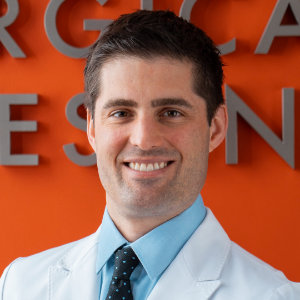 Dr. Paul Mittermiller
Dr. Mittermiller is a board-certified plastic surgeon with advanced fellowship training in craniofacial and gender-affirming facial surgery. Based in Santa Monica, California, Dr. Mittermiller’s practice focuses exclusively on facial surgery, helping transgender individuals achieve their aesthetic and identity goals. More »
 Dr. Alexander Facque
Dr. Facque is the latest surgeon to join San Francisco's Gender Confirmation Center, where he performs Top Surgery and Body Masculinization, and has expanded their surgical offerings with his specialization in Facial Masculinization procedures. Dr. Facque is board-certified in plastic surgery and fellowship-trained in Gender Surgery. He was introduced to gender-affirming care in 2012 and now works exclusively with transgender and non-binary patients. More »
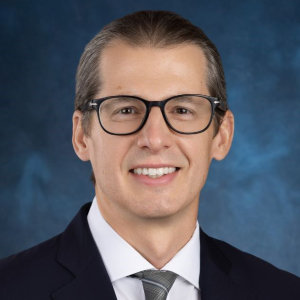 Dr. Gerhard Mundinger
Dr. Mundinger is a board-certified plastic surgeon whose practice is exclusively focused on gender-affirming surgery. Dr. Mundinger founded the NOLA Transgender Institute in 2018 to increase access to surgical care for transgender and non-binary people in New Orleans and the Gulf South. In 2021, he joined the Crane Center for Transgender Surgery in Austin, TX, where he offers FTM Top Surgery. More »
Facial masculinization surgery offers transgender men an opportunity to achieve a masculine facial appearance when hormone therapy alone is insufficient. With individualized surgical planning, modern implants, and advanced techniques, patients can achieve natural and aesthetically masculine results.
Watch Now: In this consultation video, Dr. Breanna Jedrzejewski explains FMS and what to expect from these procedures.
Last updated: 10/01/25