FTM Bottom Surgery Surgeons
FTM (female-to-male) or transmasculine bottom surgery refers to a range of procedures that create or reconstruct male genitalia. These may include phalloplasty, metoidioplasty, scrotoplasty, urethral lengthening, and related reconstructive steps. Each technique has unique benefits, limitations, and recovery considerations.
Surgical methods and outcomes can vary significantly between surgeons and centers, depending on factors such as flap type, surgical staging, and experience level. Because of this, it’s important to consult with multiple qualified surgeons, review examples of their work, and learn from previous patients’ experiences before making a decision.
This page lists select surgeons who perform FTM and transmasculine bottom surgeries worldwide. Our goal is to help you understand your options, compare techniques, and connect with providers whose approach and philosophy best align with your goals.
Understanding FTM Bottom Surgery
FTM bottom surgery encompasses several surgical options designed to create or enhance male genitalia. Each procedure has different goals, levels of complexity, and outcomes. Many patients choose one or more of these surgeries depending on their anatomy, transition goals, and desired function.
Phalloplasty
Phalloplasty is the construction of a penis using a tissue flap from another part of the body. Common donor sites include:
- Radial Forearm Free Flap (RFF) – highly detailed, thin tissue ideal for shaping and tactile sensation.
- Anterolateral Thigh (ALT) – thicker tissue, less visible donor site scar, good option for larger builds.
- Musculocutaneous Latissimus Dorsi (MLD) – larger flap with good volume but less fine sensation.
- Abdominal (Suprapubic) – simpler technique with less extensive microsurgery.
Phalloplasty may include urethral lengthening, glansplasty, scrotoplasty, and later erectile or testicular implants.
Pros: potential for full-size phallus, standing urination, and penetrative function.
Cons: multiple stages, long recovery, visible donor site scars, higher complication rates (especially urethral).
Phalloplasty Surgeons
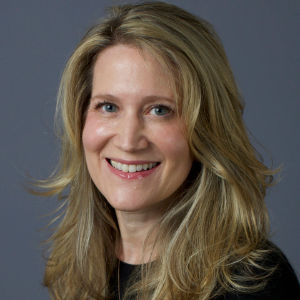
Dr. Bluebond-Langner is a board-certified plastic and reconstructive surgeon practicing at NYU Langone Health in New York City. Dr. Bluebond-Langner has emerged as a national leader in gender-affirming surgery, known for her patient-centered approach and commitment to both safety and natural aesthetic outcomes. More »

Dr. Zhao is a highly skilled reconstructive urologist based in New York City at NYU Langone Health. Known for his expertise in robotic-assisted urologic surgery and complex gender-affirming procedures, Dr. Zhao provides trans and nonbinary patients with expert, compassionate care as part of their surgical transition journey. More »
Dr. Safa is a highly experienced Microsurgeon and the Medical Director of the San Francisco Transgender Institute, a multi-disciplinary center that offers FTM Bottom Surgery. Since 2012, Dr. Safa and his team have performed more than 700 gender-affirming Phalloplasties--with no cases of complete flap loss--representing one of the largest experiences in the world. More »

Dr. Marano is a board-certified, fellowship-trained plastic and reconstructive surgeon who specializes in gender-affirming FTM surgery. He is a co-founder of GAMMA (Gender Affirming Medical and Microsurgical Associates), a practice dedicated to delivering safe, affirming, and expert surgical care for transgender and nonbinary individuals. GAMMA serves patients across its two locations in New Jersey and New York City. More »
Fellowship-trained Gender Surgeon in New York City and New Jersey.

Dr. Del Corral is a board-certified plastic surgeon and microsurgeon who specializes in gender-affirming surgery. He performs Top Surgery and Phalloplasty at the Medstar Center for Gender Affirmation in Washington D.C. and Baltimore, Maryland. Dr. Del Corral. Hysterectomy is also available at Medstar, allowing patients to complete their surgical transition at a single institution. More »
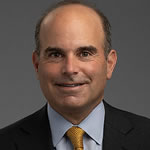
Dr. Schechter is one of the country's foremost experts on FTM Surgery. He is the Medical Director of the Gender Affirmation Surgery Program at Rush University Medical Center in Chicago. Dr. Schechter's outstanding surgical skills and more than 20 years experience with transgender surgery have made him a popular choice. He offers the full spectrum FTM Gender Confirmation surgeries in Chicago, including Metoidioplasty and Phalloplasty. More »

Dr. Ley is a board-certified plastic surgeon who had more than 15 years of specialized training in plastic surgery, craniofacial surgery and microsurgery before completing training in Gender Surgery. Dr. Ley's unique combination of skills are ideal for transgender surgery, and along with her gentle manner allow her to provide superb surgical care. Dr. Ley offers the full spectrum of FTM surgery procedures in San Francisco. More »

Dr. Safir is a urologist in Los Angeles who specializes in Phalloplasty and Metoidioplasty. He is one of the only urologists in the world with individual fellowship training and experience in both male and female genital reconstruction. Dr. Safir's many years of experience in urology and gender surgery has made him a popular choice for FTM bottom surgery. More »
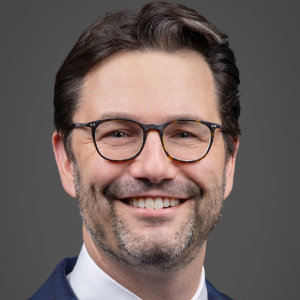 Dr. Jens Berli
Dr. Berli is a Plastic Surgeon in Portland, Oregon who specializes in gender-affirming surgery. He joined the OHSU Transgender Health Program in July 2016, and now directs OHSU's plastic surgery department. More »
Metoidioplasty
Metoidioplasty uses existing genital tissue — the hormonally enlarged clitoris — to create a smaller phallus. The clitoral ligaments are released, and additional steps can include urethral lengthening (for standing urination) and scrotoplasty.
Variations include simple release, ring metoidioplasty, and full metoidioplasty (with urethral reconstruction).
Pros: shorter surgery and recovery, retains natural sensation, minimal visible scarring.
Cons: smaller phallus (usually 4–8 cm), may not be able to stand-to-pee, limited for penetrative sex.
Metoidioplasty Surgeons

Dr. Chen is a Reconstructive Urologist who is an expert in FTM Bottom Surgery. Dr. Chen has performed hundreds of Phalloplasty, Metoidioplasty and related surgeries, and has earned a stellar reputation in the trans community for his knowledgeable and compassionate care. Dr. Chen performs RFF & ALT Phalloplasty, Metoidioplasty, and related procedures, such as Scrotoplasty and urological repairs. More »

Dr. Meltzer is a plastic and reconstructive surgeon who is globally recognized as one of the leading surgeons in the field of Gender Affirming Surgery. Dr. Meltzer began performing Gender Affirming Surgery procedures in the early '90s and has experience with FTM Surgery that only a select group of surgeons in the world can claim. Dr. Meltzer is based in Scottsdale, Arizona. More »
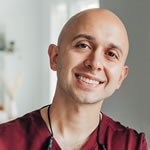
Dr. Hanna is a fellowship-trained Gender Surgeon and Urologist who established the Hanna Gender Center in Dallas, Texas as a one-stop facility for gender-affirming surgical care. Dr. Hanna is uniquely qualified to perform most aspects of female to male surgery. He specializes in Metoidioplasty and Top Surgery. More »
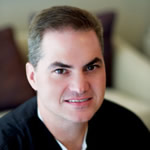
Dr. Dulin is a board-certified Surgeon in Texas with many years of experience performing FTM Top Surgery, as well as Metoidioplasty and Body Masculinization Surgery. Dr. Dulin performs FTM Surgery in the Dallas area. More »
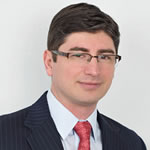
Dr. Nikolavsky is Assistant Professor of Urology and Director of Reconstructive Urology at Upstate University Hospital in Syracuse, New York. Dr. Nikolavsky is well known for providing urological care for patients experiencing complications following Metoidioplasty and Phalloplasty, such as strictures, fistulas and abscesses. He also offers Metoidioplasty. More »
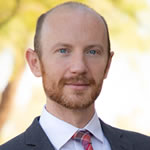
Dr. Esmonde is a fellowship-trained Gender Surgeon in Portland, Oregon who has deep knowledge about FTM surgery. He offers body sculpting, facial masculinization and metoidioplasty. More »
Scrotoplasty and Testicular Implants
Scrotoplasty creates a scrotum from the labia majora, often performed during phalloplasty or metoidioplasty. Silicone or saline testicular implants can be added at the same time or later.
Pros: natural external contour, low risk when staged properly.
Cons: risk of implant infection or migration, sometimes requires later revisions.
Learn more about scrotoplasty »
Optional and Staged Procedures
Many bottom surgeries are performed in multiple stages to optimize safety and outcomes. Common additional procedures include:
- Glansplasty – shaping a defined glans (head) on the phallus.
- Erectile implants – semi-rigid or inflatable prosthetics for penetrative function.
- Urethral revisions – correcting strictures or fistulas.
- Aesthetic revisions – improving contour, symmetry, or scarring.
How to Choose a Surgeon
Selecting a surgeon for FTM bottom surgery is a deeply personal decision that deserves time, research, and multiple consultations. The right surgical team will align with your goals, communicate clearly, and offer the skill and support needed for a safe and satisfying outcome.
Key Factors to Consider
- Experience & Case Volume:
Look for surgeons who have performed a significant number of phalloplasty or metoidioplasty procedures. Ask how many they do per year and how long they’ve been offering these surgeries. Experience doesn’t guarantee perfection, but it strongly correlates with safety and predictability. - Techniques Offered:
Each surgeon may specialize in specific flap types (RFF, ALT, MLD, etc.) or approaches to metoidioplasty. Confirm that their preferred technique matches your anatomical needs and aesthetic goals. - Outcomes & Revisions:
Inquire about complication and revision rates, and how they handle issues such as urethral strictures, fistulas, or implant problems. A transparent, experienced team will openly discuss these risks. - Aftercare & Support:
Postoperative care can be as critical as the surgery itself. Ask about follow-up visits, wound care guidance, and how emergencies are managed, especially if you live far away. - Insurance & Financial Considerations:
Confirm early whether a surgeon accepts your insurance and what documentation is required, such as referral letters, diagnosis codes, or preauthorization forms. Many surgeons who perform bottom surgery are out-of-network, so understanding how your plan handles out-of-network claims can influence your choice.
Ask each surgical team:
- Do you work with my insurance provider, and are you in-network?
- Which parts of the procedure are typically covered (hospital stay, anesthesia, implants, revisions)?
- Will your office assist with preauthorization and appeals if needed?
Even when insurance approval is granted, coverage levels can vary by stage and by component of surgery. Knowing these details up front can help you compare surgeons realistically and avoid unexpected costs.
If you’re considering an out-of-town surgeon, also ask whether your insurance will cover postoperative complications or follow-up care if it occurs locally. A clear financial picture is an important part of choosing the right team for your situation.
Questions to Ask During Consultations
- Which procedures and flap types do you perform most often?
- How many metoidioplasty/phalloplasty surgeries have you completed?
- What are your complication and revision rates?
- What is your process for managing complications or revisions?
- How many stages are typically required, and what is the timeline?
- How do you support patients traveling from out of town?
- Can you connect me with former patients who are willing to share their experiences?
Tip: Take notes during each consultation. Comparing answers side-by-side can reveal meaningful differences in experience, philosophy, and communication style.
Hearing from Previous Patients
If possible, speak with people who have had surgery with the same surgeon or team. They can share insight about bedside manner, hospital experience, and long-term results that you won’t find in a brochure. Online forums and community groups can also help inform your decision.
Travel and Recovery Planning
Many patients travel long distances — even internationally — for bottom surgery. If you do, plan for:
- Extended stay: Most surgeons recommend staying near the hospital for 2–4 weeks post-surgery.
- Support person: Having someone with you for the first week can make a major difference.
- Aftercare logistics: Identify local urgent care or wound-care options before returning home.
- Follow-up: Ask how telehealth visits are handled once you leave the area.
A thoughtful, well-organized plan for recovery and follow-up can make your surgical journey much smoother.
Global Perspective on FTM Bottom Surgery
While many patients in the U.S. and Canada have access to experienced surgeons locally, others choose to travel abroad for bottom surgery. Countries such as Thailand, Canada, and parts of Europe (especially Serbia) are recognized for offering high-quality gender-affirming surgical care. Each location has its own systems, advantages, and considerations.
Thailand
Thailand is one of the world’s leading destinations for gender-affirming surgery. Surgeons in Bangkok and other major cities have decades of experience and often perform hundreds of gender-affirming procedures each year.
Advantages:
- Competitive pricing, often lower than in North America or Europe.
- Highly experienced surgical teams and hospitals specializing in trans care.
- Streamlined process — shorter waiting times, fewer insurance barriers.
- Comprehensive surgical packages that may include hospital stay, hotel recovery, and transportation.
Considerations:
- Travel and recovery: Long-distance travel means you’ll need to plan for several weeks abroad and possibly a travel companion for support.
- Follow-up care: Local follow-up after returning home can be more challenging; ask how complications or revisions would be handled.
- Language and communication: Most Thai surgical teams speak English fluently, but language nuances can still affect consent discussions or aftercare instructions.
- Legal aspects: Ensure you understand consent forms, insurance limitations, and how medical records are shared internationally.
Well-known Thai surgeons include:
- Dr. Kamol Pansritum – Kamol Hospital, Bangkok
- Dr. Sirachai Jindarak and colleagues – Bumrungrad International Hospital, Bangkok
These clinics are internationally recognized and have extensive experience in phalloplasty and metoidioplasty, serving patients from around the world.
Other International Destinations
Canada:
Canadian surgeons offer high-quality gender-affirming care. GRS Montréal is one of the oldest gender surgery centers in the world and can accommodate international patients seeking metoidioplasty or phalloplasty.
Europe:
Clinics in Serbia and Turkey provide advanced reconstructive options. European standards of care are comparable to those in North America, though costs and travel requirements vary. Some countries also have different documentation or consent processes for foreign patients.
In the past, clinics in Belgium and the Netherlands were considered leading destinations for gender-affirming surgery, attracting patients from around the world. However, in recent years, many of these programs have shifted focus to meet domestic demand and now prioritize care for national or EU residents. As a result, international patients may face longer wait times and limited access compared to a decade ago.
Choosing to travel abroad for surgery can be rewarding, but it adds layers of logistics and responsibility. If you’re considering it, research each clinic’s reputation carefully, confirm what’s included in your surgical package, and make a detailed plan for aftercare once you return home.
Important: international surgeons do not accept insurance from outside their country — patients must pay out of pocket for all surgical and hospital fees. While some clinics offer package pricing, you should still budget for travel insurance, recovery lodging, meals, and potential return trips for revisions or follow-up care. These additional costs can be significant and should be factored into your overall planning.
Disclaimer
The information on this page is provided for educational purposes only and is not a substitute for professional medical advice, diagnosis, or treatment. Always discuss your unique goals, anatomy, and medical history directly with your surgical team to determine the most appropriate plan of care. Surgical techniques, outcomes, and availability can vary significantly between providers and over time.
FTMsurgery.net does not endorse or recommend any specific surgeon, clinic, or procedure. Readers are strongly encouraged to verify each surgeon’s credentials, review up-to-date patient experiences, and consult with multiple qualified surgeons before making any medical decisions.
Last updated: 10/04/25